

Does A MacBook Pro Last Longer Than A MacBook Air?
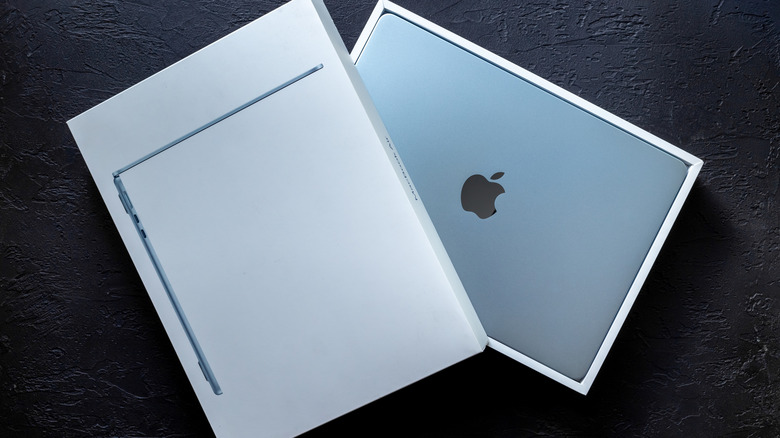
A ThinkPad screams corporate. A Chromebook probably means you're either a student or you just need something that turns on and opens Chrome. A MacBook, though, typically screams expensive. Even the biggest Apple fan out there wouldn't argue with that unless we're talking about the MacBook Neo, the Cupertino-based giant's first budget-friendly laptop. However, here's something they would also tell you: MacBooks last.
So, while the price does certainly hurt your wallet a bit initially, the math begins to work out in your favor when you're using the same laptop five, six, or even seven years later. Putting aside the newer MacBook, Apple currently sells two main MacBook lines: the Air and the Pro. The former is targeted at everyday users who want something thin, light, easy to carry around, yet powerful enough for work, school, and everything in between. MacBook Pros, on the other hand, are designed for people who push their machines harder, like developers, video editors, and designers.
This might make you wonder: is the biggest difference between the two simply performance? Or does the MacBook Pro actually last longer than the MacBook Air in the long run?
Apple doesn't officially say how long it will support your MacBook
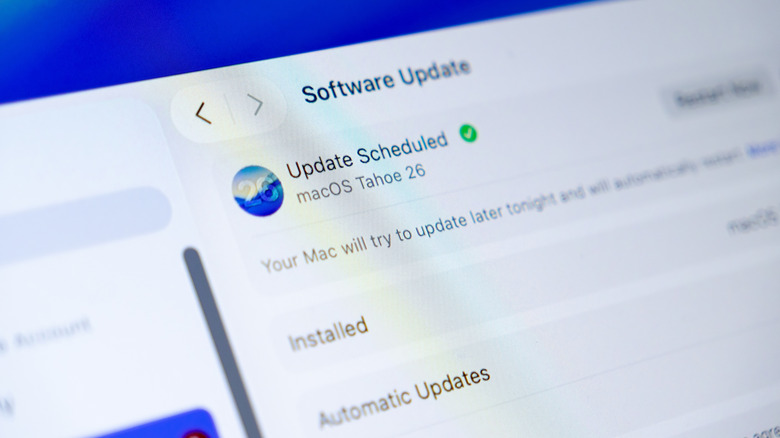
The best way to determine whether a MacBook Pro lasts longer than a MacBook Air is to look at software support. Unfortunately, Apple doesn't explicitly reveal how long any of its devices will receive software updates, including MacBooks. Based on past patterns, there doesn't seem to be a fixed timeline that Apple follows. The general trend sits at around five to seven years of major macOS updates after a MacBook is released, with roughly two more years of security patches.
For instance, the current software, macOS Tahoe, is the final major macOS release for MacBooks with Intel chips. That means the 16-inch MacBook Pro from 2019, the 13-inch MacBook Pro from 2020, and the Mac Pro from 2019 are all receiving their last major macOS updates with Tahoe. This happens to be a perfect example that proves the point that Apple doesn't follow a fixed timeline.
The 2019 Mac Pro will have received roughly seven years of major macOS updates by the time Tahoe's support ends, while the 2020 MacBook Pro 13-inch will have received about six. Both are Pro models, yet their support windows still differ. Similarly, macOS Sequoia, the update before Tahoe, was the last major update for MacBook Air models released in 2018 and 2019. This means a MacBook Pro from 2019 is still getting updates with Tahoe, while a MacBook Air from the same year was already cut off a version earlier.
In this example, it's clear that the MacBook Pro beats the Air slightly in terms of software longevity. However, the difference isn't dramatic enough to say one line consistently lasts longer than the other. All that said, there's no telling if this trend will continue with Apple Silicon, as no M-series Mac has lost macOS support yet.
What actually happens when Apple stops updating your MacBook
Now that we have a good idea of how long Apple tends to support its MacBooks, the next logical question is: what actually happens once that support ends? Although your MacBook won't stop turning on the day support ends, you'll likely notice a slow decline that eventually makes it impractical to keep using. In addition to new features, macOS updates provide security fixes and ensure the majority of third-party apps you rely on daily remain compatible.
Once Apple has dropped software support for your MacBook, you might eventually notice that some of the third-party apps you use no longer update. A year or two later, security patches stop coming in as well, leaving your MacBook vulnerable to threats that Apple is no longer addressing. Eventually, your browser stops supporting your macOS version, and then websites start acting up. Before you know it, you're trying to join a meeting and realize that something that used to take two seconds just doesn't work anymore. Hardware-wise, both the Air and Pro are built to last several years.
However, while your MacBook's hardware might still be perfectly functional once software support ends, even perfectly working hardware becomes harder to use safely and reliably. Software support is therefore a huge factor in determining how long your Mac remains usable. If you're buying a MacBook today with longevity as your top priority, the honest answer is that both will serve you well for a solid five to seven years before Apple pulls the plug. The Pro might buy you a tad more time, but not enough to justify the price jump if longevity is your only reason for choosing it.